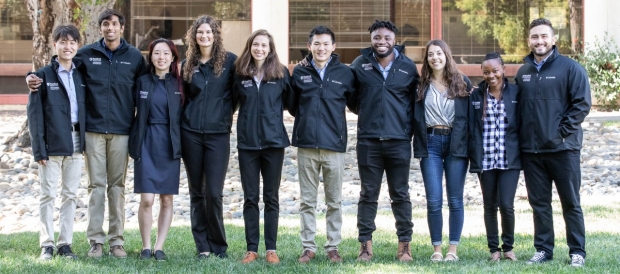
Message from the Directors
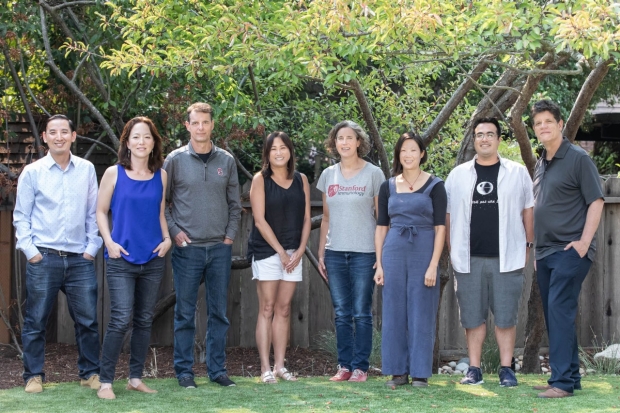
Welcome to the Stanford MSTP MD-PhD program where you will find a rich environment and unparalleled opportunities for developing a career dedicated to biomedical research.
You may already be familiar with Stanford's tradition and reputation for academic excellence, scientific innovation, and stunning environment; in addition, there are some very special aspects to the program. Stanford is a true University, with Schools of Medicine, Engineering, and Humanities & Sciences located on a single campus that facilitates and encourages interaction between scientists from different disciplines. It was the thesis work of a former MSTP student that helped provide the impetus for the development of the Bio-X program and the Clark Center, which bridges the life, physical, and mathematical sciences to address current challenges in medicine and biology with new ways of thinking.
Medical school at Stanford—for MD-PhD and non-MD-PhD students alike—is also unique. With major clinical training centers in tertiary care, county hospital, and HMO settings, our students learn about different types of patient care and how best to care for their patients. Most Stanford students spend an extra year pursuing interests in laboratory research, public health, or community service; as a dual degree student you will be surrounded by colleagues whose interests go beyond a traditional curriculum.
Finally, Stanford has a well-deserved reputation for interaction, cooperation, and collegiality that extends across educational levels (staff and faculty), training programs (departmental and interdisciplinary), and Schools (medicine and computer science). On a bike ride through campus, or a walk to the "Dish," you will encounter fellow students, Deans, and Nobel laureates, all of whom hold in common a love for an intellectual environment that fosters creativity, critical thinking, and discussion.
Stanford MD-PhD students join a community of scientists dedicated to biomedical research; the group is global but the degrees of separation are few. Welcome to that community!
MSTP Directors

Katrin Chua, MD, PhD
Co-Director, MSTP MD-PhD
Professor, Medicine - Endocrinology, Gerontology and Metabolism

Dean Felsher, MD, PhD
Associate Director for Admissions, MSTP MD-PhD
Professor, Medicine - Oncology, and Pathology

Catherine Blish, MD, PhD
Co-Director, MSTP MD-PhD
Professor, Medicine - Infectious Disease
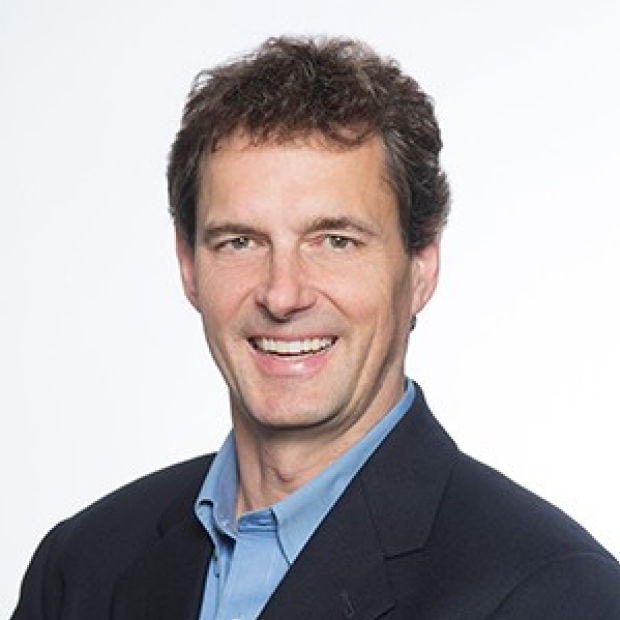
Matthew Porteus, MD, PhD
Associate Director, MSTP MD-PhD
Professor, Pediatrics - Pediatrics Stem Cell Transplantation
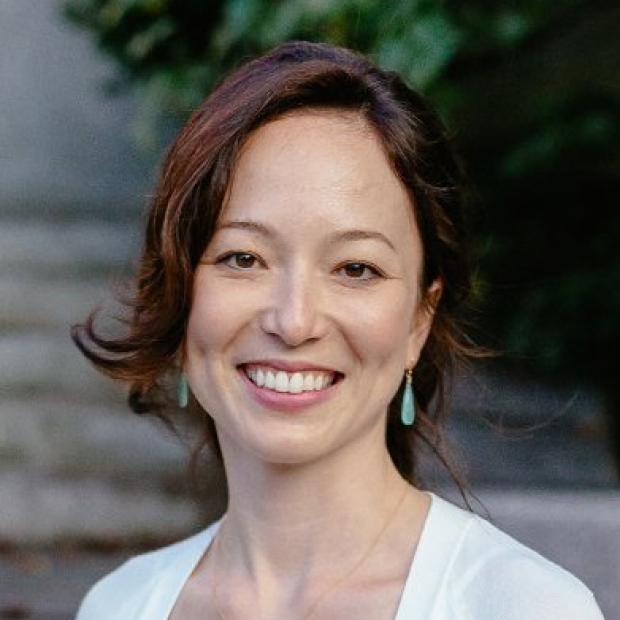
Taia Wang, MD, PhD
Associate Director, MSTP MD-PhD
Assistant Professor, Medicine and of Microbiology and Immunology
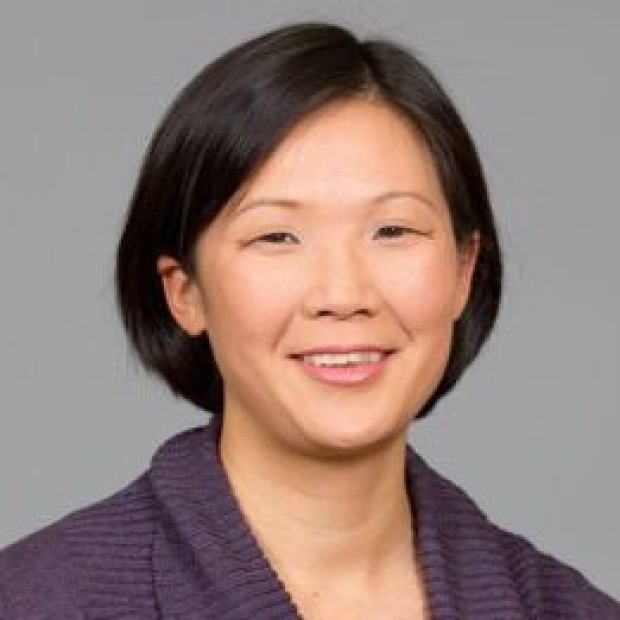
Ellen Yeh, MD, PhD
Associate Director, MSTP MD-PhD
Associate Professor of Pathology and of Microbiology and Immunology
Carolyn Bertozzi wins 2022 Nobel Prize in chemistry.
Stanford chemist Carolyn Bertozzi, PhD, was awarded the Nobel Prize for her pioneering work establishing the field of bioorthogonal chemistry, which allows researchers to study biomolecules and their interactions in living organisms without disrupting natural biological functions.
Dean Felsher, Associate Director of MSTP, is a recipient of the 2020 NCI Outstanding Investigator Award. NCI Outstanding Investigator Award Recipients was originally published by the National Cancer Institute.